Damp Walls, Tough Choices: How Ulster's Climate Shapes the Paint vs Wallpaper Decision
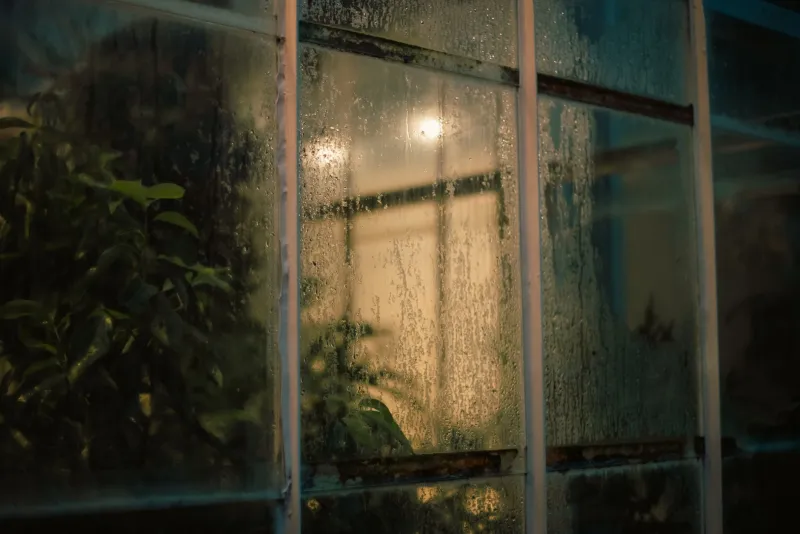
Let's be honest — nobody decorates their home expecting to redo it in two years. But if you've ever watched a freshly painted wall start to blister near a windowsill, or spotted the corner of a wallpaper seam beginning to lift after a particularly wet winter, you'll know that Northern Ireland's climate has opinions about your interior choices.
We get more rainfall than most of the UK. Our winters are mild but relentlessly damp. Our summers? Lovely when they turn up, but brief. That combination of persistent moisture, fluctuating temperatures, and condensation-prone older housing stock means the question of paint versus wallpaper isn't just about aesthetics — it's a practical decision with real financial consequences.
So let's get into it.
What Ulster's Weather Actually Does to Your Walls
Before comparing finishes, it helps to understand what you're up against. Northern Ireland sits in a maritime climate zone, which means high humidity levels throughout the year. Average relative humidity in Belfast hovers around 80% — significantly higher than cities like London or Birmingham.
That moisture has to go somewhere. In older terraced houses, Victorian semis, and rural cottages — the kind of properties that make up a huge chunk of Ulster's housing stock — it often ends up in the walls. Condensation forms on cold surfaces, interstitial dampness creeps through solid masonry, and poor ventilation does the rest.
Both paint and wallpaper take a hit from this. But they fail in different ways, at different speeds, and with different price tags attached.
How Paint Holds Up
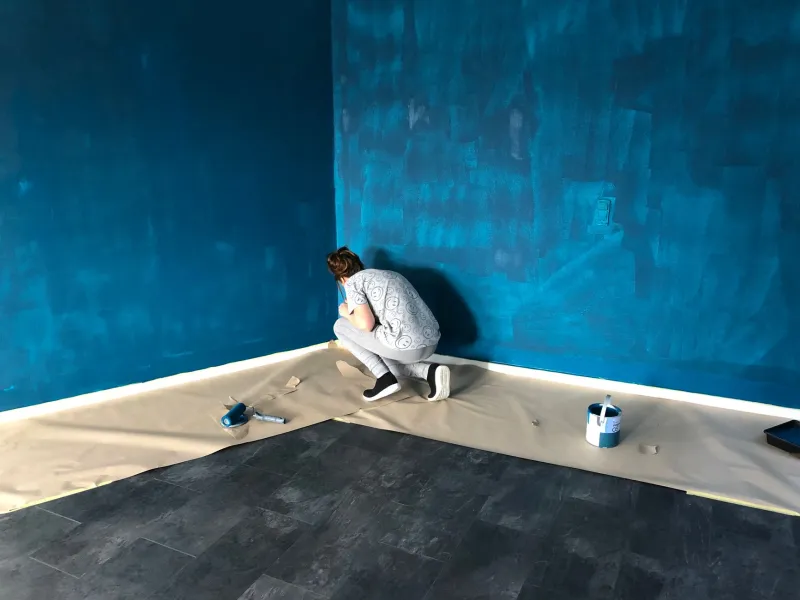
Modern masonry and interior paints have come a long way, and for many Ulster homeowners, a quality emulsion applied correctly will perform well for several years. The key word there is correctly.
Paint applied to walls with any underlying moisture issues will blister, bubble, or peel — sometimes within months. That's not the paint's fault; it's a preparation problem. But it's a problem that's far more common here than in drier parts of the UK simply because the conditions that cause it are more prevalent.
The upside of paint is that when it does start to look tired or suffer minor damage, touching it up is relatively straightforward. A scuff, a damp patch that's been treated, a small crack — these can be addressed without stripping the whole room back. That flexibility is a genuine practical advantage.
For high-risk areas — kitchens, bathrooms, hallways, and north-facing rooms that rarely see direct sunlight — a moisture-resistant or anti-mould formulation is worth every extra penny. Spend a bit more at the tin stage and you'll spend a lot less on remedial work later.
Realistic lifespan in Ulster conditions: 4–7 years in living areas; 2–4 years in bathrooms and kitchens without specialist products.
How Wallpaper Holds Up
Wallpaper gets a harder time in damp climates, and some of that reputation is deserved. Traditional paste-the-wall paper in a poorly ventilated room is asking for trouble — seams lift, bubbles form, and in worst-case scenarios, mould develops behind the paper where you can't see it until the damage is already done.
But that's not the whole story. Vinyl and vinyl-coated wallpapers are considerably more moisture-resistant than their paper counterparts, and when hung properly on a well-prepared, dry surface, they can outperform paint in terms of durability. A quality vinyl wallpaper in a bedroom or living room — applied with the right adhesive and allowed to cure properly — can look good for a decade or more.
The catch is that wallpaper is far less forgiving when something does go wrong. A localised damp problem that you might paint over (after treatment) often means stripping and rehanging wallpaper entirely. And if you've chosen a discontinued pattern, good luck matching it.
Cost-wise, full wallpaper replacement in a standard Ulster living room — including stripping, preparation, materials, and labour — can run anywhere from £300 to £800 or more depending on the complexity of the pattern and the state of the walls underneath. That's not a small number.
Realistic lifespan in Ulster conditions: 8–12 years for quality vinyl in low-humidity rooms; significantly less in bathrooms or poorly ventilated spaces without specialist products.
The Real Cost of Getting It Wrong
Here's where it gets practical. If you paint a room and the finish deteriorates after a few years, you're typically looking at a tin of paint, a weekend, and maybe £50–£100 in materials if you're doing it yourself. Annoying, but manageable.
If wallpaper fails — whether through moisture, poor application, or a structural damp issue you didn't know about — the remediation costs stack up quickly. Stripping old paper from plaster walls is time-consuming and can damage the surface beneath if it was never properly lined. Re-skimming, re-lining, and rehanging adds up fast.
The lesson isn't that wallpaper is a bad choice. It's that the preparation stage matters enormously, and in Northern Ireland's climate, cutting corners on prep is a false economy every single time.
Tips for Making Either Finish Last Longer
Whichever route you choose, a few practical habits will extend the life of your decorating significantly:
-
Sort ventilation first. Extractor fans in kitchens and bathrooms aren't optional here. Trickle vents on windows help too. Reducing ambient humidity is the single most effective thing you can do to protect any wall finish.
-
Never decorate over active damp. Treat the source, let the wall dry out fully — and in older Ulster properties, that can take months — before applying anything. A moisture meter is a worthwhile investment if you're unsure.
-
Use a quality primer. On bare or repaired plaster especially, a proper primer seals the surface and gives paint or adhesive something solid to bond to. Skipping this step is one of the most common reasons decorating fails prematurely.
-
Choose products designed for our climate. Anti-mould additives, breathable masonry paints, and moisture-resistant wallpaper adhesives all exist for good reason. They're not marketing fluff — in Northern Ireland, they're often the difference between a finish that lasts and one that doesn't.
-
Keep an eye on seals and junctions. Around windows, skirting boards, and where walls meet ceilings, small gaps allow moisture to get behind finishes. A bit of decorator's caulk goes a long way.
So Which Should You Choose?
If your priority is low maintenance and flexibility, paint — applied with proper prep and the right formulation for the room — is generally the easier option to live with in Ulster's climate. It's more forgiving of minor issues and cheaper to refresh.
If you're after something with more visual impact and you're willing to put in the groundwork upfront, a quality wallpaper in a well-ventilated, dry room can be a brilliant long-term choice. The key is knowing your walls, knowing your home's moisture history, and not rushing the preparation.
The climate here isn't going to get any less damp. But with the right products and a bit of patience at the start, your walls can look exactly how you want them — for longer than you might expect.