We've All Been There: 10 Decorating Blunders Ulster Homeowners Make (And How to Put Them Right)
Let's be straight with you: nobody starts a decorating project planning to make a mess of it. But somehow, between the excitement of picking a colour and the satisfaction of finally hanging that last strip of wallpaper, things can go sideways. And in Northern Ireland specifically, there are a handful of recurring mistakes that crop up time and again — some down to our climate, some down to the age of our housing stock, and some just down to the fact that nobody told us any different.
So consider this your friendly, no-judgement guide to the most common decorating pitfalls in Ulster homes — and more importantly, what to do about them.
1. Ignoring the Damp Before Reaching for the Roller
This is the big one. Northern Ireland's climate is, shall we say, enthusiastic when it comes to moisture. Painting over a damp wall without dealing with the underlying cause is a bit like putting a plaster over a burst pipe — it'll look fine for about a fortnight, then the problem comes back worse than before.
The fix: Identify the source first. Is it rising damp, condensation, or penetrating damp from outside? Each needs a different solution. Once treated, allow the wall to dry fully before applying a specialist damp-seal primer. Only then should your topcoat go on.
2. Skipping Primer Altogether
Primer feels like an unnecessary extra step, especially when you're keen to crack on. But in bathrooms, kitchens, and on fresh plaster, it's genuinely not optional. Without it, paint adhesion suffers, coverage is patchy, and you end up using twice as much paint to get a decent finish.
The fix: Use the right primer for the job — a mould-resistant one in bathrooms, a stabilising primer on powdery or porous surfaces, and a dedicated mist coat (watered-down emulsion) on new plaster. It adds a day to the project and saves you weeks of frustration later.
3. Choosing the Wrong Wallpaper Adhesive for Older Properties
A lot of homes across Belfast, Derry, and the wider Ulster countryside are older builds with walls that aren't perfectly smooth, plumb, or consistent. Using a standard lightweight paste on a heavy embossed paper in a Victorian terrace is asking for trouble — you'll have peeling seams before the year's out.
The fix: Match your adhesive to both the paper weight and the wall condition. Heavy vinyls and textured papers need a stronger, longer-open-time paste. On uneven or porous walls, consider sizing the surface first. If in doubt, check the wallpaper manufacturer's recommendations — they're usually printed on the label.
4. Painting in Cold or Damp Conditions
Ulster winters are long, and the temptation to crack on with a refresh in January is real. But most standard emulsions and gloss paints have a minimum application temperature — usually around 10°C — and painting in cold, damp conditions leads to poor drying, streaky finishes, and paint that never quite cures properly.
The fix: Wait for a decent stretch of dry weather, or if you're working in winter, heat the room first and keep it ventilated. Check the tin for minimum temperature guidance — it's there for a reason.
5. Rushing the Prep Work
We get it — the prep is the boring bit. Filling holes, sanding surfaces, cleaning walls. But nothing exposes a lazy prep job quite like a fresh coat of paint. Every crack, every grease mark, every bit of flaking old paint becomes more visible, not less.
The fix: Spend at least as long on prep as you do on painting. Fill and sand, then fill and sand again if needed. Wipe walls down with a sugar soap solution before you start. It's not glamorous, but it makes the finished result look genuinely professional.
6. Underestimating How Much Paint You Actually Need
Running out of paint mid-wall is one of the most avoidable decorating disasters — yet it happens constantly. Even worse, if the tin you bought was mixed to a specific colour, the next batch might not match exactly.
The fix: Use a paint calculator (we have one on the site) and always round up, not down. If you're mixing a custom colour, buy everything you need in one go and keep any leftover paint sealed for touch-ups. It stores better than you'd think.
7. Hanging Wallpaper Without Marking a Plumb Line
Walls look straight. They usually aren't. If you start papering from a corner without checking the vertical first, every subsequent strip will drift further off-line until your pattern is visibly skewed by the time you're halfway around the room.
The fix: Always use a spirit level to mark a true vertical before you hang your first drop. It takes five minutes and makes the whole job significantly easier.
8. Choosing Paint Finishes That Don't Suit the Room
Matt emulsion looks gorgeous on a showroom wall. In a hallway that gets battered daily by school bags and muddy hands, it'll look tired within months. Similarly, high-gloss in a living room can feel clinical and highlight every imperfection on older plaster.
The fix: Think about how the room is actually used before you choose a finish. High-traffic areas like hallways, kitchens, and kids' rooms benefit from a durable satin or eggshell that can be wiped clean. Save the flatter finishes for bedrooms and formal living spaces where they'll be treated more gently.
9. Not Allowing Enough Drying Time Between Coats
Two coats, definitely — but only if you give the first one time to properly dry before applying the second. Painting too soon traps moisture, causes streaking, and can lift the layer underneath. It's one of those things where patience genuinely pays off.
The fix: Follow the recoat time on the tin, not what feels dry to the touch. In a cold or humid Ulster room, add extra time beyond what's recommended. A fan heater and open window can help speed things along safely.
10. Forgetting to Protect What You're Not Painting
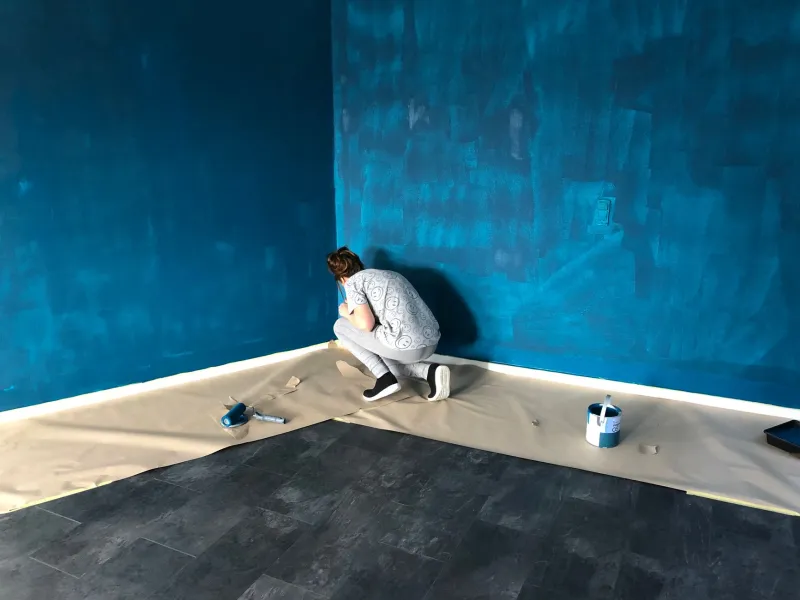
This one seems obvious until you're peeling dried emulsion off a skirting board or picking paint flecks off a lampshade at midnight. Skimping on masking tape and dust sheets is a false economy — the clean-up takes far longer than the protection would have.
The fix: Invest in decent-quality masking tape (the cheap stuff leaves adhesive residue or lets paint bleed underneath) and cover everything you care about before you open a tin. Professional decorators don't skip this step, and neither should you.
A Final Word
None of these mistakes make you a bad decorator. They make you a normal one. The difference between a finish that looks great for years and one that starts to show its age in months usually comes down to a few small decisions made early in the process — the right primer, the right adhesive, the right amount of patience.
If you're not sure where to start or you've already hit a snag, come and have a chat with the team at Paint & Wallpaper NI. We've heard every decorating horror story going, and we're always happy to help you find the right product and approach for your home — no judgement, just practical advice.