The Cold Truth About Wallpaper and Window Walls in Northern Ireland
You've spent a weekend hanging a gorgeous new wallpaper. The pattern's lined up perfectly, the seams are invisible, and the room looks a million quid. Then January arrives. The temperatures drop, the rain sets in — because of course it does, this is Ulster — and within a few weeks you notice it. A gentle lift at the bottom of a drop. A faint dark bloom creeping up from the skirting. The paper directly under the window starting to buckle.
Sound familiar? You're not alone, and you're not doing anything wrong. This is one of the most common wallpaper problems we hear about from homeowners right across Northern Ireland, from the Glens of Antrim to the streets of south Belfast. The culprit is condensation, and the area beneath and around your windows is where it strikes hardest.
Why Windows Are Such a Problem Spot
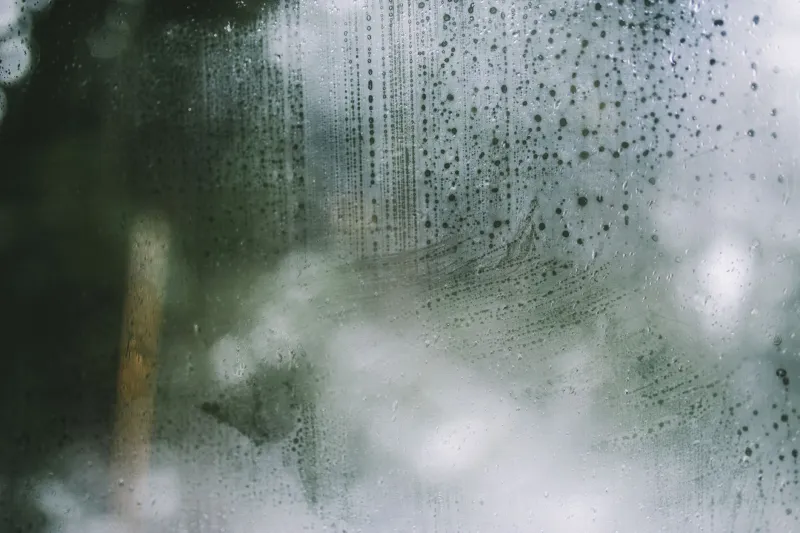
When warm, moisture-laden air inside your home meets the cold surface of a window — or the cold wall directly beneath it — it releases that moisture as water droplets. That's condensation in a nutshell. In most parts of the UK it's a nuisance. In Northern Ireland, with our combination of mild, wet winters and older housing stock that wasn't built with airtightness in mind, it becomes a genuine decorating nightmare.
The wall directly beneath a window sill is essentially a cold bridge. Even in a heated room, that section of wall stays cooler than the rest because of its proximity to single-glazed or older double-glazed units. Wallpaper paste, particularly traditional starch-based paste, softens when repeatedly exposed to moisture. The paper expands, loses its grip, and eventually peels away from the wall. If the underlying plaster is porous — and in many older Ulster homes, it is — the moisture gets trapped behind the paper and mould follows.
The recessed sides of a window bay are just as vulnerable. They're often in shade, poorly ventilated, and subject to the same cold-surface effect. People frequently wallpaper these areas without thinking twice, then wonder why that section always fails first.
The Preparation Stage Is Everything
Before you even think about pattern selection or paste type, the wall itself needs to be in the right condition. If you skip this part, no product in the world will give you a lasting result.
Start by checking the plaster for existing damp. Press your hand flat against the wall beneath the window sill and leave it there for thirty seconds. If it feels noticeably colder than the rest of the wall, or if there's any visible staining or powdery residue (called efflorescence), you've got a problem that needs addressing before decorating begins.
For walls that have had repeated condensation exposure, applying a stabilising primer before any wallpaper goes up makes a real difference. These primers seal the surface and give the paste something consistent to bond to, rather than a wall that's alternately absorbing and releasing moisture. Some decorators in Northern Ireland also swear by a thin skim of anti-mould paint or a breathable masonry primer on these specific zones before papering — it's an extra step, but on a problem wall it can be the difference between a result that lasts two years and one that lasts ten.
For more severe cases, particularly in older terraced houses or Victorian semis where the walls are solid rather than cavity, a damp-proof membrane painted directly onto the plaster creates a genuine moisture barrier. It's not glamorous, but neither is stripping mouldy wallpaper in February.
Choosing the Right Wallpaper for the Job
Not all wallpaper is created equal when it comes to moisture tolerance, and the window wall is exactly where that difference matters.
Vinyl-coated wallpapers are the obvious starting point. They don't absorb moisture the way standard paper-backed wallpapers do, which means condensation running down a cold wall is far less likely to cause bubbling or adhesion failure. Modern vinyl wallpapers have come a long way — there are genuinely attractive options in textured finishes, geometric patterns, and even designs that mimic natural materials like linen or concrete.
That said, fully impermeable wallpapers can trap moisture behind them if the wall itself is damp, which makes breathability an important consideration. Non-woven (or 'paste-the-wall') wallpapers hit a useful middle ground. They're dimensionally stable — meaning they don't expand and contract with humidity the way traditional paper does — and many are formulated to allow a degree of vapour transmission. For Northern Irish conditions, that breathability is a genuine asset.
Avoid delicate paper-only wallpapers in these zones entirely. Grasscloth, fabric-backed papers, and untreated natural materials look stunning but simply aren't suited to areas with repeated moisture exposure. Save those for interior walls well away from windows.
Paste Choices That Actually Hold
The paste you use matters more than most people realise. Standard cellulose paste is fine for most interior walls, but in moisture-prone zones you want something with better water resistance and stronger tack.
Fungicidal paste is a minimum requirement for any wall that's had condensation problems — it contains additives that inhibit mould growth both in the paste itself and at the wall interface. Heavy-duty ready-mixed adhesives designed for vinyl and non-woven papers offer superior bond strength and tend to remain flexible once dry, which helps them cope with the slight movement that happens as walls heat and cool through the seasons.
If you're using a paste-the-wall paper, apply the adhesive slightly more generously around the window reveal and sill area than you would elsewhere. These edges are the first places moisture finds its way in, and a good saturating coat of adhesive on the wall surface gives you the best chance of long-term adhesion.
Pattern Strategy for Problem Zones
Here's a tip that often gets overlooked: pattern scale affects how visible any future failure will be. Large-scale, bold patterns show every seam lift and every bubble with brutal clarity. If you're papering a wall you know is prone to condensation issues, a smaller, more textured, or more irregular pattern gives you more visual forgiveness. A small geometric repeat or a tone-on-tone texture will hide minor imperfections that would be glaring on a large floral or a wide stripe.
For window recesses specifically, some homeowners choose to keep these areas painted rather than papered — using the same paint finish as the window frame or a complementary shade — and simply run the wallpaper up to the reveal edge. It's a clean look that sidesteps the condensation problem entirely in the most vulnerable spot.
Ventilation Is the Long Game
No amount of specialist paste or moisture-resistant wallpaper fully compensates for a room that isn't properly ventilated. Trickle vents on window frames, extractor fans in rooms where cooking or bathing generates steam, and even the simple habit of opening windows for a few minutes each morning all reduce the overall humidity load on your walls.
If you've got older single-glazed windows, upgrading to modern double or triple glazing makes the cold-surface condensation problem significantly less severe — and it's something worth factoring into your decorating timeline if a window replacement is on the horizon.
Get the ventilation right, prep the wall properly, choose the right materials, and that window wall can look every bit as good as the rest of the room — and stay that way through whatever Ulster's weather decides to throw at it.