Yes, You Can Wallpaper That Kitchen or Bathroom: Here's What Actually Holds Up in Ulster
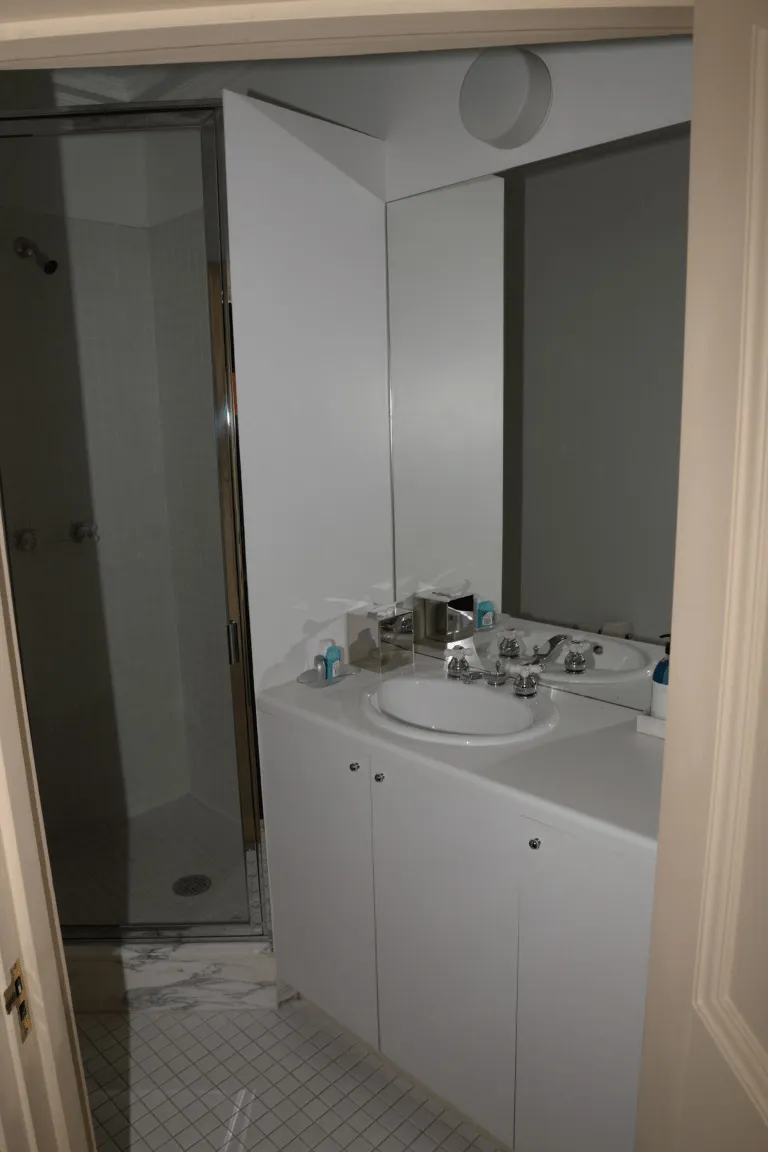
Photo: Federal Bureau of Investigation, Public domain, via Wikimedia Commons
Let's be honest — whenever wallpaper in a kitchen or bathroom comes up in conversation, someone in the room always winces. "It'll peel," they say. "The steam will ruin it." And fair enough, if you're picturing the delicate linen-textured paper you've just hung in your living room, they'd be right. But that's not the full picture, and a lot of Ulster homeowners are missing out on genuinely beautiful results because of advice that's decades out of date.
Modern wallpaper technology has moved on enormously. The industry has responded to real-world demands, and there are now products specifically engineered for high-humidity environments. So instead of steering clear of wet rooms entirely, let's talk about what actually works — and what to avoid.
Why Ulster's Climate Makes This Conversation More Relevant Than Ever
Northern Ireland doesn't exactly have a dry Mediterranean climate. We get roughly 1,100mm of rainfall a year, and that persistent dampness doesn't stay outside. Homes here tend to have higher ambient humidity levels than properties in drier parts of the UK, which means condensation on windows, sluggish drying times after showers, and kitchens that steam up quickly during cooking.
This isn't a reason to give up on wallpaper in these rooms — it's a reason to choose more carefully. The good news is that the same logic that makes certain paints better suited to Ulster's conditions (we covered that in our piece on paint finishes) applies here too. The material matters enormously, and getting it right makes all the difference.
The Wallpaper Types Worth Considering
Vinyl and Solid Vinyl Wallpapers
These are your safest bet in genuinely wet environments. Solid vinyl wallpapers have a paper or fabric backing with a fully waterproof vinyl surface layer. They're scrubbable, resistant to steam, and don't absorb moisture the way traditional paper does. Many are also mould-resistant, which is a real bonus in Ulster bathrooms where ventilation isn't always brilliant.
Vinyl-coated papers — where a thin vinyl layer sits over a paper base — offer a middle ground. They'll handle splashes and steam reasonably well, but they're not quite as bombproof as solid vinyl. Good for a kitchen where the wallpaper isn't directly behind the hob, less ideal for a shower-adjacent wall.
Non-Woven Wallpapers
Non-woven (or "paste the wall") papers have become hugely popular in recent years, and they perform surprisingly well in humid conditions. They're dimensionally stable — meaning they don't expand and contract as moisture levels change, which is one of the main reasons traditional papers bubble and peel. They're also breathable, which actually helps prevent moisture getting trapped behind the wall surface.
For kitchens and bathrooms with decent ventilation, non-woven papers are a genuinely solid choice. They're also much easier to hang and remove than old-school papers, which is a bonus if you're a first-timer.
What to Avoid
Standard paper-based wallpapers — the kind you might use in a bedroom or hallway — are not suitable for kitchens or bathrooms full stop. They'll absorb moisture, lose adhesion, and start peeling at the seams before long. Fabric-backed papers and grasscloth are similarly risky; they can look stunning, but they're porous by nature and will struggle with repeated steam exposure.
Location Matters as Much as Material
Even the toughest vinyl wallpaper has its limits, and placement is everything. Here's a practical breakdown:
- Behind the hob or cooker: This is a no-go zone for wallpaper of any kind. Heat combined with grease-laden steam is a tough ask. Use tiles, glass splashbacks, or a painted surface here instead.
- Elsewhere in the kitchen: Walls away from the main cooking area — a breakfast nook, a chimney breast, or a run of wall above eye level — are perfectly suitable for vinyl or non-woven papers. Feature walls work brilliantly here.
- Bathroom feature walls: The wall opposite the bath or shower, or behind a freestanding tub, is a lovely spot for a bold pattern. Keep it away from direct water spray and you'll be fine with solid vinyl.
- Directly inside shower enclosures: Don't do it. Even specialist wallpapers aren't designed to be soaked repeatedly. Tiles are your friend here.
Getting the Installation Right
Even the best moisture-resistant wallpaper will fail if it's not hung properly. A few things to get right from the start:
Prep the walls thoroughly. In humid rooms, any existing mould or damp patches need to be treated before a single strip goes up. Use a mould-resistant primer — it creates a sealed, stable surface and gives the adhesive something solid to grip.
Use the right paste. Not all wallpaper adhesives are created equal. For kitchens and bathrooms, look for a heavy-duty or fungicidal paste. The fungicidal element actively inhibits mould growth behind the paper, which matters more in Ulster's climate than it might elsewhere.
Seal the edges. Once your paper is up and dry, run a bead of clear silicone sealant along the bottom edge where the wallpaper meets the worktop, bath, or skirting. This stops water wicking up behind the paper at the most vulnerable point.
Ventilate properly. This sounds obvious, but it's worth saying: wallpaper in bathrooms will last significantly longer in rooms with extractor fans that actually get used. If your bathroom fan is underperforming, it's worth upgrading before you redecorate.
A Word on Pattern Choices
Beyond the practical stuff, kitchens and bathrooms are actually brilliant rooms to go bold with pattern. Because they're smaller than living rooms or bedrooms, you can afford to use prints you might find overwhelming in a larger space — large botanicals, geometric tiles effects, maximalist florals. A single feature wall in a kitchen can completely transform the character of the room without requiring masses of paper.
In bathrooms especially, there's been a real trend towards treating the space like a proper room rather than a purely functional one. Moody, dark-ground papers with gold or brass detailing look spectacular against white sanitaryware, and in a well-ventilated bathroom with solid vinyl paper, there's no reason that look can't last for years.
The Bottom Line
Wallpaper in kitchens and bathrooms isn't reckless — it's just a decision that needs a bit more thought than hanging paper in a hallway. Choose the right material, position it sensibly, prep your walls properly, and seal your edges, and you'll end up with a result that's both beautiful and durable. The myth that wet rooms and wallpaper are fundamentally incompatible belongs firmly in the past.
If you're not sure which products are right for your specific project, pop into Paint & Wallpaper NI and we'll point you in the right direction. That's what we're here for.