Does Your Wall Treatment Add or Subtract from Your Sale Price? What Ulster Buyers Actually Think
Here's a question most homeowners only think about when the 'For Sale' sign goes up: does it matter what's on your walls?
Spoiler — yes, quite a lot, actually. But not always in the ways you'd expect. The paint-versus-wallpaper debate isn't just about personal taste. In Northern Ireland's housing market, your choice of wall treatment can shape how quickly your home sells, how much buyers are willing to offer, and whether your property even makes it onto a second viewing shortlist.
So let's get into it properly.
What the Selling Data Suggests
There's no single definitive study covering Northern Ireland specifically, but the broader UK picture is telling. Research from Zoopla and various estate agency groups has consistently found that neutral, freshly decorated homes sell faster and closer to asking price than those with heavily personalised interiors. That much isn't a surprise.
What's more interesting is where wallpaper sits in that picture. According to a 2023 survey by the Home Owners Alliance, around 62% of buyers said dated or bold wallpaper would put them off making an offer — or prompt them to bid lower. But here's the nuance: the same survey found that tasteful, contemporary wallpaper in the right rooms actually increased buyer enthusiasm compared to plain painted walls.
In short, it's not wallpaper versus paint. It's bad wallpaper versus good decorating — and that's a meaningful distinction.
What Ulster Estate Agents Are Actually Saying
Anyone who's had a pre-sale valuation in Belfast, Derry, or the wider NI market will know that estate agents have opinions about décor. Strong ones.
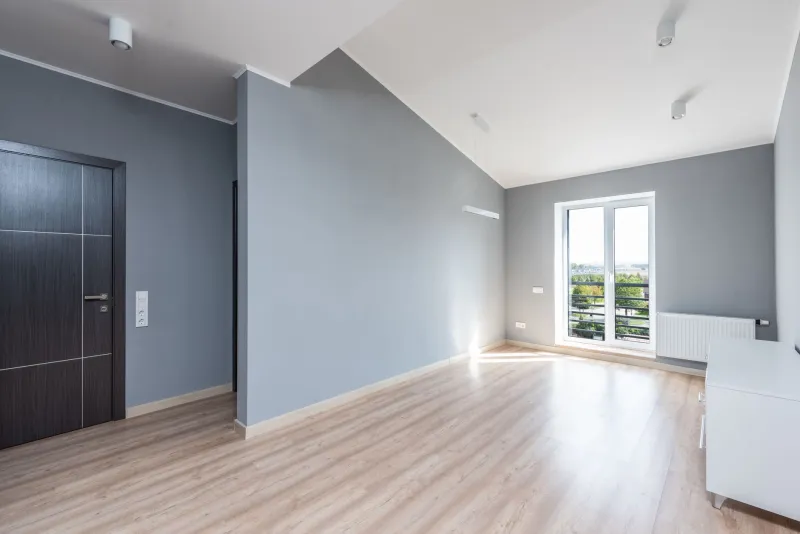
The consistent advice from agents across the region tends to run something like this: fresh, neutral paint is your safest bet if you're selling soon. Brilliant white or warm off-white on walls — think Farrow & Ball's 'Pointing' or Dulux's 'Natural Hessian' tones — gives buyers a blank canvas. It photographs well, it makes rooms feel larger, and it signals that the property has been looked after.
Wallpaper, agents say, is riskier — but not because wallpaper is inherently bad. The risk is that bold or niche patterns polarise viewers. A striking geometric feature wall that you've loved for five years might delight one buyer and repel three others. In a competitive market, you can't afford to repel anyone.
That said, several Northern Irish agents have noted a shift in recent years. As younger buyers — particularly those in the 28 to 40 bracket — enter the market in greater numbers, there's a growing appetite for homes that feel considered and designed rather than blank and sterile. A well-chosen, on-trend wallpaper in a dining room or hallway can actually become a selling point rather than a liability.
The Surveyor's Perspective: It's Less About Looks, More About Condition
While estate agents focus on buyer perception, surveyors are looking at something different entirely: what the walls are actually telling them about the property's condition.
From a valuation standpoint, a surveyor isn't going to dock points because they personally dislike your wallpaper pattern. But they will flag issues if the wall treatment is concealing problems. Wallpaper, particularly older vinyl styles, can trap moisture behind it — a real concern in Ulster homes where damp is a recurring challenge thanks to our famously persistent rainfall and older housing stock.
If a surveyor spots bubbling, peeling, or discolouration beneath wallpaper, it raises questions about what's underneath. That uncertainty can feed into a lower valuation, or worse, trigger a more detailed damp investigation that stalls the sale entirely.
Paint, especially breathable or moisture-resistant formulations, tends to be more transparent in this respect — literally and figuratively. Any underlying damp or cracking is harder to hide behind a coat of emulsion, which means buyers and surveyors get a more honest picture of the walls' condition.
The lesson here? Whatever you're putting on your walls before a sale, make sure the surface underneath is sorted first.
Room by Room: Where Each Treatment Wins
Not every room carries the same weight in a buyer's mind. Here's a rough guide to where paint and wallpaper each tend to perform best from a resale perspective.
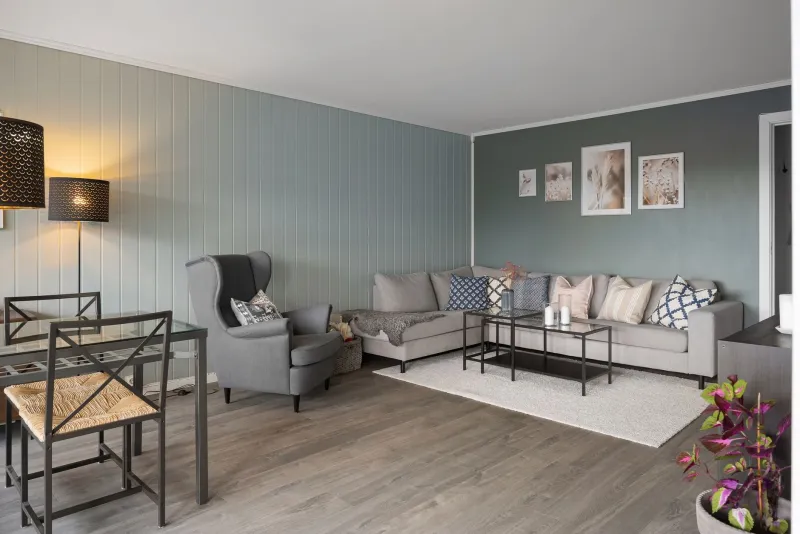
Living Room: This is where wallpaper can genuinely earn its keep. A single feature wall in a sophisticated, contemporary print — think subtle botanicals, soft textures, or understated geometrics — adds character without overwhelming. Keep the remaining three walls in a complementary neutral paint and you've got a room that photographs beautifully and feels like a home rather than a showroom.
Kitchen: Stick with paint here, full stop. Buyers want to see a clean, practical space. Moisture-resistant or washable emulsion in a soft neutral keeps things looking fresh and hygienic. Wallpaper in kitchens tends to read as high-maintenance to buyers, even if it's technically moisture-resistant.
Bedrooms: Neutral paint is your friend, particularly in the master bedroom. This is the room where buyers project themselves most directly, so the less personalised the better. If you have wallpaper here, consider whether it's genuinely timeless or just something you've grown attached to.
Hallway and Landing: Interestingly, this is where wallpaper can outperform paint in buyer appeal. A hallway with a confident, well-chosen wallpaper creates an immediate first impression and sets a tone for the whole property. Estate agents often describe it as 'the handshake' of the home. Get it right and buyers walk in already warming to the place.
Bathroom: Moisture-resistant wallpaper has come a long way, but paint still dominates here from a resale perspective. It reads as practical and easy to refresh — two things buyers find reassuring.
The Real Cost Calculation
One thing that often gets overlooked in this debate is the actual cost differential and what that means for return on investment.
A full repaint of an average Northern Irish semi-detached using quality trade emulsion will typically cost less than a wallpapering job covering the same square footage — especially once you factor in professional hanging. If you're decorating specifically to support a sale, paint almost always offers a better return per pound spent.
Wallpaper, on the other hand, can deliver outsized impact in specific rooms when chosen carefully. Spending £200 on a quality wallpaper for a hallway feature wall could add perceived value well beyond that figure if it creates the right first impression.
The mistake people make is wallpapering extensively throughout a property before a sale, hoping to impress. Unless every choice is genuinely neutral and contemporary, you risk spending money to divide opinion rather than build it.
The Bottom Line
There's no universal answer here — which is probably frustrating if you came looking for one. What the evidence does suggest is this: fresh, well-applied neutral paint is the safest investment before a sale. It signals care, cleanliness, and a blank canvas.
But wallpaper isn't the enemy. Used strategically — in hallways, living rooms, or dining spaces — the right pattern in the right place can elevate a property above the competition. The key word is right. Timeless over trendy. Considered over chaotic.
If you're preparing your Ulster home for market and you're unsure which direction to take, pop into Paint & Wallpaper NI. We can help you think through what's going to work hardest for your specific property — and make sure whatever goes on your walls is doing your sale price a favour rather than the opposite.