The Most-Walked Wall in Your House Is Crying Out for Attention
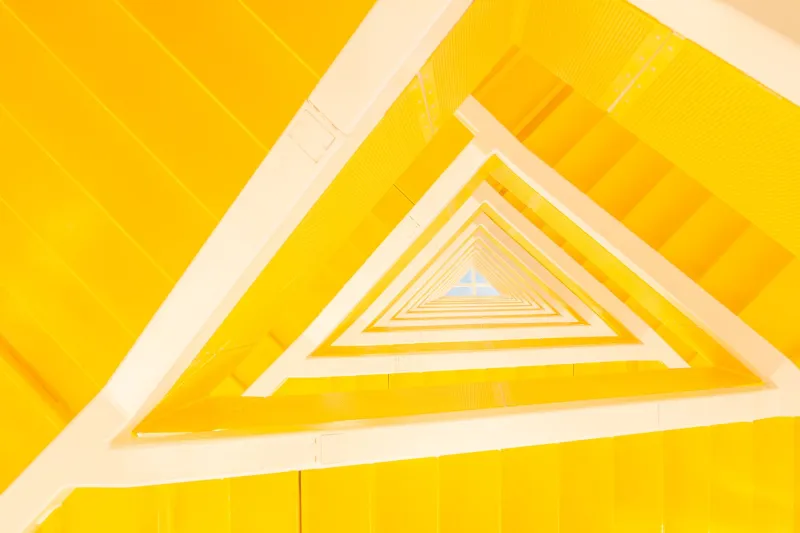
Think about how many times a day you walk past your staircase. Morning, noon, and night — it's the connector, the throughline, the bit of the house that links everything else together. And yet, in the vast majority of Northern Irish homes, it gets the same tired coat of magnolia or builder's beige that's been on the walls since the place was built.
That's a missed opportunity of the highest order.
Your staircase wall is often the longest uninterrupted vertical surface in the entire house. It's visible from the hallway, sometimes from the living room, and it's the first thing guests clock when they step through the front door. Getting it right doesn't require a massive budget or a professional decorator on speed dial — it just requires a bit of thought and a willingness to be bolder than you have been.
Why Stairs Get Neglected (And Why That Needs to Change)
There's a practical reason staircases get left behind: they're awkward to work on. Balancing on a ladder while trying to hang wallpaper on an angled wall isn't anyone's idea of a relaxing weekend project. But here's the thing — the difficulty is often overstated. With the right prep and a bit of patience, the staircase wall is entirely manageable for a competent DIYer, and the payoff is enormous.
The other reason is that people simply don't know where to start. The space is unusual — long, narrow, with an angled ceiling line and varying wall heights — and that can make colour and pattern choices feel more daunting than they actually are. But those same quirks are exactly what make the staircase such a rewarding canvas.
Paint First: Choosing Colours That Work on a Tall Wall
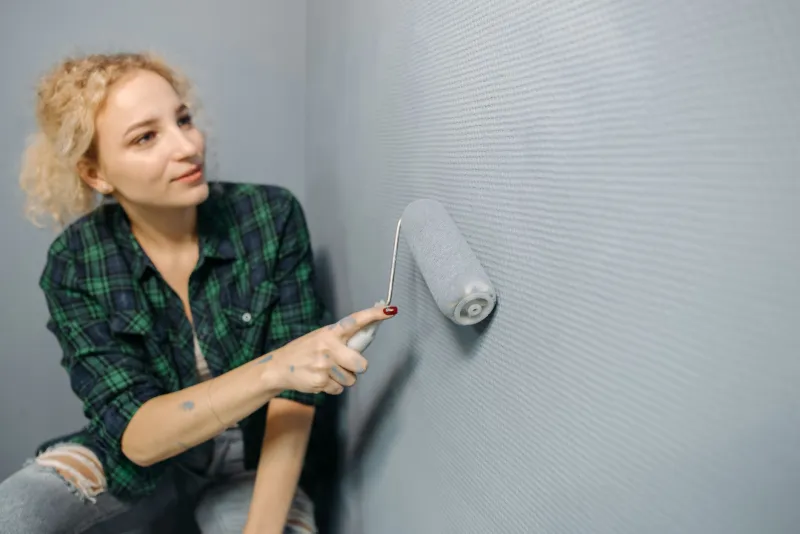
If you're going the paint route, the staircase is one of those spaces where going darker than you think makes a lot of sense. Deep, rich tones — forest greens, navy blues, charcoal greys — can feel overwhelming in a small room, but on a tall staircase wall they create a dramatic backdrop that feels genuinely considered rather than accidental.
Monochromatic schemes work brilliantly here. Try painting the walls, skirting, and spindles in close tonal variations of the same colour — a deep slate on the walls, a slightly lighter mid-tone on the skirting, and a near-white on the ceiling. The effect is cohesive without being flat, and it photographs beautifully if you're thinking about kerb appeal or eventual resale value.
For something a bit more playful, a contrasting colour on the risers (the vertical face of each step) is a low-effort, high-impact move. White risers against a painted tread, or a bold accent colour that picks up a tone from elsewhere in your hallway, can make a staircase feel far more intentional than anything left in its default state.
Do pay attention to finish here. Stairs take a battering — scuffs, shoes, school bags — so you want a paint that can handle repeated cleaning without losing its sheen. A durable eggshell or satin finish on the walls beats flat matt every time in a high-traffic space like this. If you've got young kids or muddy dogs (and in Northern Ireland, the dogs are almost always muddy), factor that in before you commit to anything too pale.
Wallpaper on a Staircase: Harder Than It Looks, Worth Every Minute
Wallpaper on a staircase wall is one of those things that people look at in interiors magazines and think, "I could never do that in my house." But honestly? It's more achievable than it seems, and the results are spectacular.
The key is choosing the right paper. A staircase wall is large and often features a prominent drop — that long diagonal run from top to bottom — so large-scale botanical prints, geometric patterns, or painterly abstracts tend to work better than tight, fussy repeats that can feel busy across such a big expanse. A single bold motif, repeated at a comfortable scale, will draw the eye upward and make the whole space feel taller and more considered.
For homes in Northern Ireland where damp can be a consideration — particularly in older terrace houses or semis with less-than-perfect insulation — opting for a vinyl-coated or washable wallpaper in this zone makes practical sense. It won't bubble or peel at the first sign of a damp winter morning, and you can wipe it down when the inevitable handprints appear.
If you're nervous about committing to wallpaper on the whole wall, a half-and-half approach can work well: paper the upper section above the dado rail and paint the lower portion in a complementary colour pulled from the paper's palette. It breaks up the work into more manageable chunks and gives the space a classic, layered look.
The Spindles, Banister, and Skirting: Don't Forget the Details
Here's where a lot of staircase makeovers fall short — people put all their energy into the wall and then leave the woodwork in whatever state it was in before. But the spindles, handrail, and skirting boards are a huge part of what you see when you look at a staircase, and refreshing them makes an enormous difference.
A clean, bright white gloss on spindles and skirting is the classic choice for good reason — it's crisp, it contrasts well against darker walls, and it gives the whole staircase a freshly finished look. But if you want something a bit more distinctive, painting the handrail in a contrasting tone to the spindles (say, a warm brass-effect paint or a deep charcoal against white spindles) adds a contemporary edge without requiring any structural changes.
Just make sure you're using the right product. Woodwork on stairs needs to be tough — a specialist gloss or satinwood formulated for high-contact surfaces will outlast a cheaper alternative by years, which matters in a spot that gets touched hundreds of times a week.
Lighting: The Bit That Ties It All Together
This isn't strictly a decorating tip, but it's too important to skip. The best paint and wallpaper in the world will look flat and dull if your staircase is lit by a single overhead bulb. Wall-mounted picture lights, low-voltage recessed spots on the landing, or even simple plug-in sconces can transform how your chosen colours and patterns read in the space.
Natural light matters too. If your staircase has a window — even a small one — lean into the tones that work with the light at that time of day. North-facing stairs benefit from warmer, earthier tones; south-facing ones can handle cooler greys and blues without feeling cold.
Start Small, Go Bold
If you've been walking past your staircase every day without really seeing it, now's the time to look again. It's not a forgotten corner — it's one of the most prominent architectural features in your home, and with a bit of paint, the right wallpaper, and some attention to the details, it can become something you actually look forward to walking past.
Need help choosing the right products for your staircase project? Pop into Paint & Wallpaper NI or browse our range online — we're always happy to talk through the options and help you find something that'll make your stairs worth the climb.