Look Up: Why the Ceiling Is the Most Wasted Canvas in Your Home
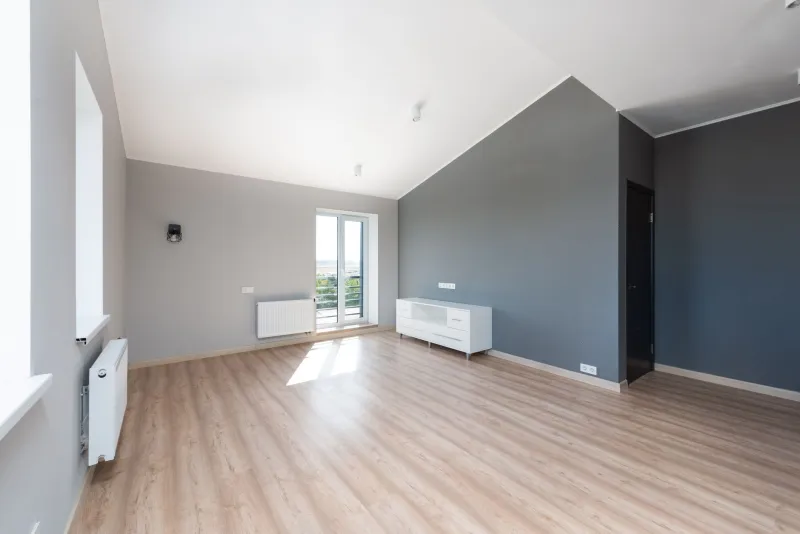
There's a running joke in decorating circles that the ceiling gets about thirty seconds of thought and a roller full of brilliant white. Job done, kettle on. And honestly? Most of us are guilty of it. We agonise over paint swatches, we scroll through wallpaper samples at midnight, we deliberate over whether the skirting boards should match the door frames — and then we just... forget the ceiling exists.
Here's the thing though. The ceiling makes up roughly the same surface area as your floor. You wouldn't carpet your living room without giving it some thought. So why are we all still staring up at the same flat, uninspiring white expanse we've had since the house was built?
It's time for that to change.
The "Fifth Wall" Principle
Interior designers have been banging on about the fifth wall for years, but the idea is finally filtering through to everyday homeowners — including plenty of folks right here in Northern Ireland who've started treating their ceilings as a genuine design opportunity rather than an afterthought.
The concept is simple: your room has four walls and a ceiling, and all five of those surfaces contribute to how the space looks and feels. Ignore one of them and you're leaving a massive chunk of the room's potential completely untapped. Address all five and suddenly everything clicks together in a way that's hard to put your finger on but impossible to ignore.
The good news is you don't have to go full baroque with gilded plasterwork and hand-painted murals (though, no judgement if that's your direction). Even modest choices — a deeper shade than your walls, a subtle textured finish, a single strip of patterned wallpaper — can shift the entire personality of a room.
What Happens When You Go Darker Up Top
Conventional wisdom says dark ceilings make a room feel smaller and more oppressive. And look, if you paint a tiny box room in deep navy from floor to ceiling, yes, it's going to feel like a submarine. But used thoughtfully, a darker ceiling does something rather brilliant: it brings the room in, creates a sense of intimacy, and makes the whole space feel considered and cocooning.
Think about a dining room painted in a warm terracotta or deep forest green on the ceiling, with lighter walls below. The effect is like candlelight — everything feels warmer, more anchored, more intentional. Several Ulster homeowners we've spoken to have gone this route in their dining rooms and sitting rooms and the response is almost universally the same: guests walk in, look up, and say "oh, that's gorgeous" before they've even sat down.
Darker ceilings also work particularly well in rooms with decent ceiling height — and plenty of older Ulster properties, especially Victorian and Edwardian terraces, have the kind of generous proportions that can carry a bold overhead colour without blinking.
Going Lighter to Lift the Room
On the flip side, if your ceilings are on the lower side (as they often are in post-war semis and newer builds), going lighter than your walls can create an illusion of height that's genuinely impressive. The trick here is to use a ceiling shade that's a tone or two lighter than your wall colour rather than defaulting to stark brilliant white, which can actually look jarring against a warm or saturated wall.
A soft blush ceiling above dusty pink walls. A pale sage overhead with a richer green below. These combinations feel seamless and intentional, and they make the ceiling feel like it's receding upward rather than pressing down on you.
Wallpaper on Ceilings: Yes, Really
If paint feels like a safe first step, wallpaper on the ceiling is where things get genuinely exciting — and a little nerve-wracking, if we're honest. But hear us out.
A patterned ceiling above plain walls creates a sense of drama without overwhelming the room. It works brilliantly in bedrooms (imagine lying in bed looking up at a subtle botanical print or a geometric pattern in muted tones), in bathrooms where the ceiling is the one surface you actually see when you're soaking in the bath, and in dining rooms where you want that sense of occasion.
Now, if you're in Ulster, the practical question here is obvious: what about the damp? It's a fair concern. Northern Ireland's climate is wet, and that moisture has a way of finding its way into ceiling corners, particularly in older properties. The answer isn't to avoid wallpaper altogether — it's to choose the right product and prepare properly.
Vinyl-coated or moisture-resistant wallpapers are your friends here. They're far more forgiving in humid conditions than standard paper options, and they hold up considerably better over time. Make sure your ceiling is properly sealed before you start, and if there's any sign of existing damp, sort that out first — no wallpaper will save a ceiling that's got an underlying moisture problem.
For rooms like bathrooms and kitchens, a specialist moisture-resistant paint in a mid-sheen finish is often the more practical ceiling choice, but even here, a thoughtfully chosen colour can transform the space.
Real Homes, Real Results
A homeowner in Bangor recently painted their bedroom ceiling in a deep teal — a good two shades darker than their pale blue-grey walls. The initial reaction from family members was sceptical, to put it politely. Six months on, it's the room everyone talks about when they visit. The ceiling draws the eye upward and then holds it there, creating a sense that the room is somehow more complete than it was before.
In east Belfast, a Victorian terrace hallway got a new lease of life when the owners papered the ceiling in a small-scale floral print and kept the walls plain white below the picture rail. The pattern adds interest without cluttering the narrow space, and it makes the high ceiling feel like a feature rather than just empty space above your head.
These aren't grand renovation projects. They're single decisions, made with a bit of confidence and the right materials, that have genuinely changed how those rooms feel to live in.
Getting the Prep Right
Before you reach for the roller, a word on preparation — because ceiling work is unforgiving. Any cracks, uneven patches, or old flaking paint will be dramatically visible once you've applied a colour, especially a deeper one. Fill, sand, and prime properly, and if you're switching from white to a saturated colour, you may need more than one coat.
Good lighting during application is essential (natural light wherever possible), and don't underestimate the value of quality ceiling paint with a low spatter formula. Your neck will thank you, and so will your floors.
The Permission Slip You Didn't Know You Needed
Look, decorating conventions exist for a reason — they're a shortcut to something that works. But "works" and "inspires" aren't the same thing. The ceiling-should-be-white rule is a default, not a law, and plenty of Ulster homeowners are quietly breaking it to great effect.
If you've been staring at the same magnolia overhead for years and feeling vaguely like something's missing, this might be your sign. Look up. There's a whole canvas up there, and it's been waiting for you.