Why Playing It Safe With Your Décor Might Be the Smartest Move You Make Before Selling
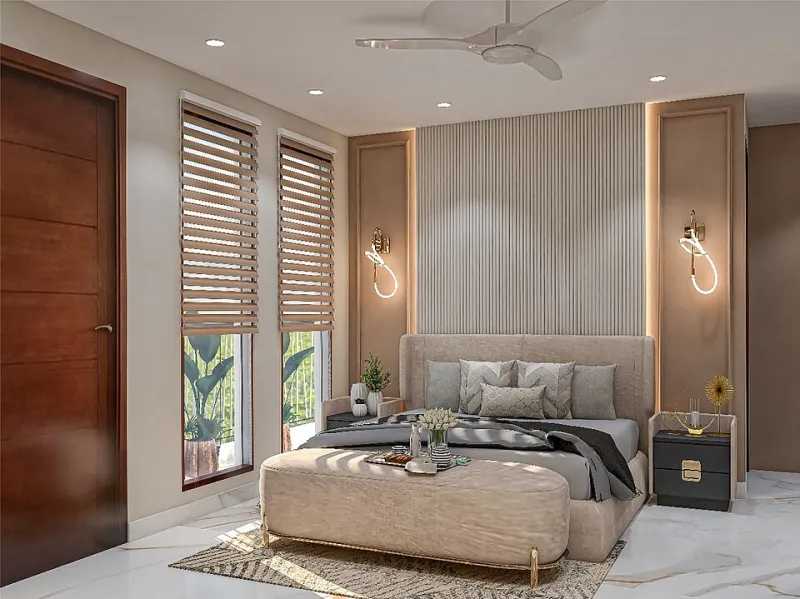
Photo: SPL Interiors1, CC BY 4.0, via Wikimedia Commons
The Instagram Problem in the Northern Irish Property Market
We've spent the last decade being told to be bold. To express ourselves through our homes. To choose the dark green kitchen, the maximalist bedroom wallpaper, the terracotta hallway that makes a statement. And honestly? A lot of it looks genuinely beautiful.
But there's a moment — usually when a 'For Sale' board goes up — when homeowners suddenly have to reckon with an uncomfortable truth: the interior that felt like a brilliant expression of their personality might be actively putting off the people who need to buy it.
This isn't a new tension. Estate agents have been navigating it for years. But in the current Northern Irish property market, where buyers are more informed and more cautious than they've been in a long time, the question of how to present your home decoratively has become genuinely strategic. And the answer, more often than people expect, involves doing less rather than more.
What Buyers Are Actually Responding To
Let's be clear about something first: this is not an argument for magnolia. Magnolia — that particular shade of slightly yellowed white that haunted British rental properties for three decades — is not neutral in any useful sense. It reads as neglect. It signals that nobody cared enough to make a decision, which is exactly the impression you don't want to create when you're asking someone to spend a significant amount of money.
What actually works is considered neutrality. There's a meaningful difference between a room that's been emptied of personality and one that's been edited to feel calm, spacious, and inviting. Buyers — particularly first-time buyers and those moving up the ladder — respond to spaces that feel like they could be theirs. Strongly personalised décor, however beautiful, makes that imaginative leap harder.
Estate agents across Northern Ireland will tell you that certain decorating choices consistently generate more viewings, more offers, and shorter time on the market. Soft whites with warm undertones. Warm greiges in living spaces. Pale sage or soft stone in kitchens. These aren't exciting choices. They're effective ones.
The Psychology of Buying a House
Purchasing a property is one of the most emotionally loaded decisions most people ever make. Buyers are simultaneously trying to assess the practical (is this structurally sound, is it in budget, does it have enough rooms?) and the deeply personal (can I see my life here?).
Decoration plays directly into that second question. And the research on this is fairly consistent: buyers make emotional decisions first and rational ones second. Which means that a room which feels immediately welcoming — even if the buyer can't quite articulate why — is more likely to generate an offer than a room that's objectively impressive but somehow doesn't feel like theirs.
Bold, distinctive décor can actually interrupt that emotional process. A potential buyer who loves the layout and the location but is distracted by a dramatic wallpaper or an unconventional colour scheme has to do extra cognitive work to imagine past the decoration. Some buyers can do that easily. Many can't. And in a market where you might only get one viewing per interested party, you don't want anything creating unnecessary friction.
The Tightrope: Neutral Without Being Soulless
Here's where it gets genuinely interesting, because there's an art to decorating a home for sale that doesn't feel hollow.
The goal is to create spaces that feel considered and lived-in — just not lived-in by you, specifically. That means warm rather than cold, clean rather than bare, and just interesting enough to feel like a proper home rather than a show house that nobody actually inhabits.
In practical terms, this often means:
Choosing paint over wallpaper for living areas and bedrooms. Wallpaper is wonderful, but it's personal. Even relatively restrained patterns can divide opinion sharply. A beautifully applied coat of paint in a warm neutral is almost universally received well and signals that the room has been freshly maintained.
Keeping feature walls genuinely subtle. If you have a bold feature wall, consider toning it down before listing. A deep colour that you love can read as a problem to someone who's mentally calculating the cost of repainting before they've even left the hallway.
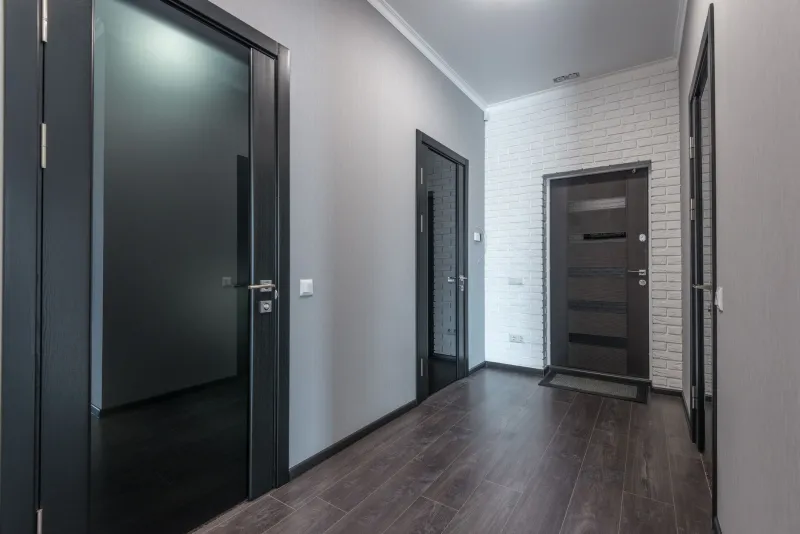
Paying attention to the hallway above all else. In Northern Ireland, as elsewhere in the UK, the hallway sets the tone for everything that follows. A freshly painted hallway in a warm, clean shade — decent quality paint, properly applied — signals that the whole house has been cared for. It's one of the best returns on investment you'll find in pre-sale decorating.
Letting quality show through finish. Buyers notice the difference between a careless coat of paint and a properly prepared surface with a good-quality finish. You don't need an interesting colour to impress — you need a surface that looks like someone took care of it.
When Bold Actually Helps
It would be misleading to suggest that personality is always a liability when selling. There are situations where a distinctive decorating choice can actually work in your favour.
In higher-end properties, where buyers are looking for something that feels genuinely special rather than interchangeable, a thoughtfully decorated space can be a selling point rather than an obstacle. A beautifully wallpapered dining room in a period property, done properly, can communicate quality and character in a way that plain walls can't.
Similarly, if your buyer demographic skews younger — first-time buyers in their thirties who've grown up on design content and have strong aesthetic preferences of their own — a bit of decorative confidence can actually be appealing. It suggests the house has been looked after by people who care about how things look, which is reassuring.
The key is knowing your likely buyer and making decisions accordingly. Your estate agent should be able to give you a realistic picture of who's buying in your area and at your price point.
The Bottom Line for Ulster Sellers
The most strategic decorating move you can make before selling isn't necessarily the most exciting one. It's the one that removes barriers, creates warmth, and lets potential buyers project their own lives onto the space as easily as possible.
That might mean repainting a room you love in something quieter. It might mean covering a wallpaper that feels too personal. It might just mean touching up the hallway and making sure every wall reads as freshly maintained rather than tired.
None of this is glamorous. But in a market where buyers have plenty of options and limited patience for imagination, the house that feels immediately right tends to be the one that sells. And more often than not, that house is the one where someone made the quiet, intelligent decision to get out of the way.