The Real Price of Going It Alone: What DIY Wallpaper Hanging Actually Costs Ulster Homeowners
The Savings That Aren't Really Savings
There's a particular kind of optimism that strikes when you're standing in a decorating shop, roll of beautiful wallpaper in hand, thinking: how hard can it be? You've watched a couple of YouTube videos. You own a spirit level. You're practically a professional already.
Fast forward three days, and you're looking at a seam that won't lie flat, a pattern that's somehow drifted two centimetres off-course by the fourth drop, and a corner that looks like it lost a fight. Sound familiar? You're not alone — and the real sting is that the DIY route has likely cost you more than a professional hanger would have charged in the first place.
Let's actually look at the numbers.
What You're Spending Before You Even Start
Most homeowners underestimate the upfront tool cost of wallpapering. If you don't already own the right kit, you're looking at:
- A proper pasting table: £20–£35
- Wallpaper paste (the right type for your chosen paper): £8–£15
- A paste brush or roller: £6–£12
- A seam roller: £5–£10
- A smoothing brush or plastic smoother: £5–£10
- A sharp trimming knife and spare blades: £8–£15
- A plumb bob or laser level: £10–£30
- A decent sponge and bucket: £5–£8
That's potentially £67–£135 in tools before you've touched a wall. For a one-off project, that spend rarely makes financial sense — especially when a professional arrives with all of this already.
The Pattern Repeat Problem
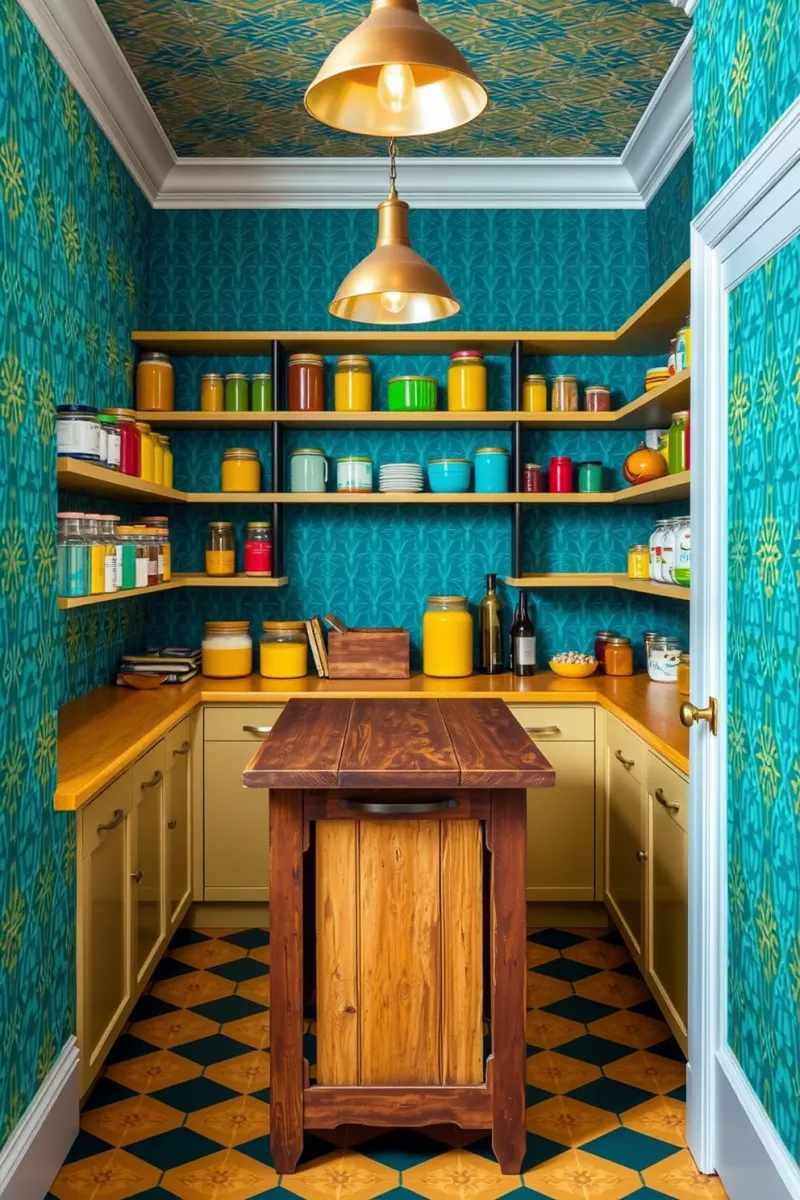
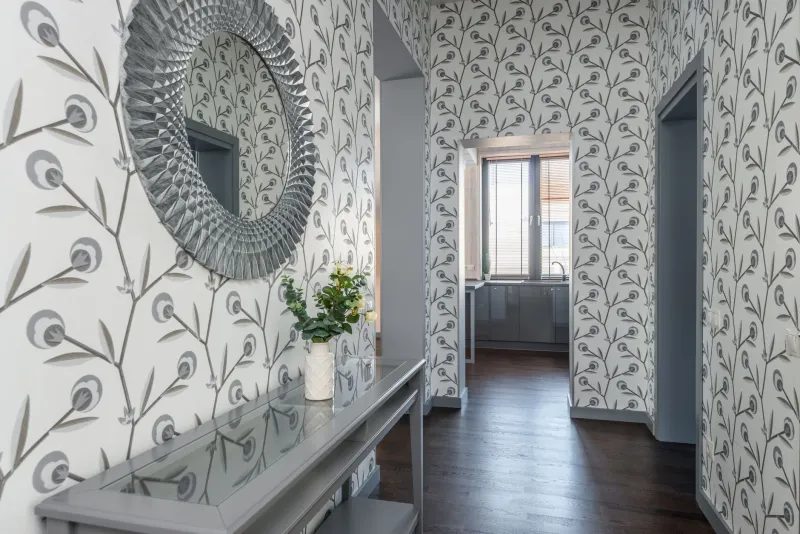
Here's where the real money disappears. Standard wallpaper with a small or no pattern repeat is relatively forgiving. But the papers Ulster homeowners tend to fall in love with — bold botanicals, large geometric prints, traditional damasks — often carry pattern repeats of 30cm, 45cm, or even 64cm.
What this means in practice: you'll waste a significant portion of every drop matching the pattern correctly. A room that technically requires eight rolls might actually consume eleven or twelve once you account for repeat losses, especially if you're inexperienced and cutting drops without fully planning the layout first.
In Northern Ireland, mid-range decorative wallpaper typically runs between £35 and £75 per roll. Wasting three or four rolls through poor planning isn't just frustrating — it's £100 to £300 of unnecessary spend. And if the paper is from a limited run or a boutique supplier, there may simply not be replacement rolls available.
When Mistakes Force a Full Restart
The most expensive DIY wallpaper scenario isn't making one mistake — it's making a mistake that compromises the entire room. Common culprits include:
Bubbling and lifting: Usually caused by the wrong paste, insufficient soaking time, or poor wall preparation. Once paper has dried with bubbles, the only real fix is removal and rehang.
Visible seams: Often the result of not trimming edges cleanly or hanging on walls that haven't been properly sized. Seams that gap or overlap look amateur and can't be disguised easily.
Pattern drift: Starting from the wrong point in the room, or not checking plumb regularly, means the pattern slowly goes out of alignment. By the time you notice, you may be four or five drops in.
Tearing during application: Particularly with delicate papers — textured grasscloth, fabric-backed designs, or luxury vinyls — the material can tear if handled incorrectly when wet. These papers are often the most expensive, making mistakes particularly painful.
A full restart means stripping the paper (which can damage plaster if done poorly), re-preparing the walls, and purchasing fresh paper. Add in your time, and the cost escalates quickly.
What a Professional Hanger Actually Charges
In Northern Ireland, professional wallpaper hanging typically costs between £100 and £180 per day, with most standard rooms taking one to two days depending on complexity, ceiling height, and the number of obstacles like chimney breasts, alcoves, or radiators.
For a standard double bedroom — say, four walls, one chimney breast, standard ceiling height — expect to pay roughly £150 to £280 in labour. A professional will also calculate your paper requirements accurately before you buy, which alone can save you purchasing unnecessary rolls.
For complex rooms with high ceilings, feature alcoves, or intricate pattern-matching (think a Victorian terrace in Belfast or a period property in Derry), the fee will be higher — but so will the quality of the finish, and so will the consequence of getting it wrong yourself.
The Red Flags That Mean You Should Call Someone
Not every wallpaper project is beyond a careful, patient DIY-er. A simple paste-the-wall vinyl in a small room with no pattern repeat? Entirely manageable with preparation. But consider calling a professional if:
- Your paper has a large or complex pattern repeat
- You're working with grasscloth, fabric-backed, or foil wallpaper
- The room has multiple alcoves, a chimney breast, or an awkward layout
- Your walls have never been papered before and aren't freshly plastered
- You're decorating a hallway or stairwell (access alone makes these genuinely dangerous without proper equipment)
- The paper cost more than £50 per roll — because the margin for error has just become very thin
The Time Equation
There's one more cost that rarely appears in any calculation: your own time. A professional hanger working on a standard room will typically complete the job in a day. A first-time DIY-er in the same room might spend two full weekends — factoring in prep, the inevitable mid-project pause to watch more tutorials, and the corrections.
What's a weekend worth to you? For many homeowners, the honest answer changes the maths entirely.
Getting It Right From the Start
None of this is meant to put you off wallpaper — quite the opposite. The reason we're so passionate about it is that a well-hung room of quality paper is genuinely transformative. The point is to protect that investment.
If you're confident, well-prepared, and working with a forgiving paper in a straightforward room, go for it. But if you're eyeing up that stunning large-repeat botanical for your living room chimney breast — the one that costs £65 a roll — give serious thought to bringing in a professional. The finish will be better, the paper will go further, and you'll actually enjoy the result rather than quietly wince every time you walk past the seam by the window.
Sometimes the smartest money you spend is on someone who's done it a thousand times before.